

Sustainability and building compliance expert. Specialising in low energy design, SAP, SBEM, BREEAM, and air testing for the construction industry,
Andrew Sadler
The way we design and assess new homes in the UK is changing. With the introduction of the Future Homes Standard (FHS), developers, architects and design teams are facing a new set of energy performance requirements aimed at delivering low-carbon, energy-efficient homes fit for the future.
A core part of this transition is SAP 10.3, the latest version of the Standard Assessment Procedure used to demonstrate compliance with building regulations.
While the Future Homes Standard represents the destination, SAP 10.3 is the methodology helping the industry get there.
What Is the Future Homes Standard?
The Future Homes Standard is the government’s plan to significantly reduce carbon emissions from new homes. The objective is simple: ensure new housing is future-ready, requiring minimal retrofit work as the UK progresses towards its net-zero targets.
Under the new standards, homes will need to achieve much higher levels of energy efficiency while relying on low-carbon heating systems rather than traditional fossil fuel technologies.
For developers, this means greater emphasis on building fabric, renewable energy technologies and whole-house performance from the earliest stages of design.
What is SAP 10.3?
SAP has been the UK’s primary methodology for assessing residential energy performance for over 30 years. However, as building technologies have evolved, previous versions of SAP have become less effective at accurately representing modern low-carbon homes.
SAP 10.3 has been introduced to improve the way energy performance is assessed and to support the implementation of the Future Homes Standard.
One of the most significant changes within SAP 10.3 is the updated carbon factor for electricity. As the UK’s electricity grid becomes increasingly decarbonised, electrically powered heating systems |(such as air source heat pumps) are now recognised more favourably within compliance calculations than they were under earlier SAP versions.
This shift better reflects real-world carbon performance and supports the wider move away from gas heating.
Other notable changes include:
- Updated carbon emission calculations
- Improved modelling of heat pump performance
- Greater recognition of renewable technologies
- Revised assumptions relating to energy generation and consumption
- Enhanced alignment with net-zero policy objectives
These changes are likely to influence design decisions across the industry, particularly when selecting heating systems and renewable energy strategies.
While a new methodology known as the Home Energy Model (HEM) is expected to replace SAP in the future, SAP 10.3 will initially be used as the approved compliance route under the Future Homes Standard.
What does SAP 10.3 mean for developers and design teams?
Meeting Future Homes Standard requirements will require a more integrated approach to building design. This means that rather than considering energy performance at the end of the planning process, compliance must become a core design consideration from the outset.
Key areas likely to require attention include:
Building fabric.
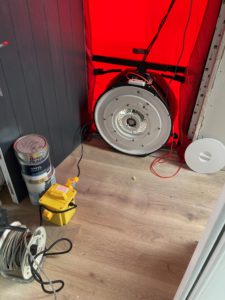
Improving insulation, reducing thermal bridging and achieving higher levels of airtightness will remain fundamental to compliance. A fabric-first approach can help reduce energy demand before additional technologies are introduced.
Low-carbon heating.
Heat pumps are expected to become the primary heating solution for many residential developments. Design teams should consider system selection, emitter sizing and plant space requirements early in the design process.
Renewable technologies.
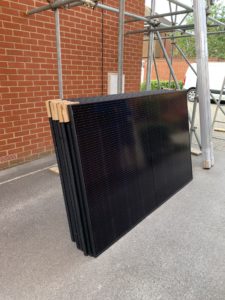
Solar PV systems are likely to play an increasingly important role in achieving compliance targets. Understanding roof layouts, orientation and available installation space during the design phase can help maximise performance.
Early energy modelling.
As compliance requirements become more demanding, early-stage energy assessments can help identify potential issues before they become costly design changes. Proactive modelling enables design teams to evaluate different strategies and optimise performance throughout the project lifecycle.
What the experts think.
Andrew Sadler, Director at Buildpass, said:
“The Future Homes Standard will bring new challenges, but it also presents opportunities to deliver higher-quality, lower-carbon homes that are more comfortable, efficient and cost-effective to operate.
By understanding the implications of SAP 10.3 and incorporating energy performance considerations from the earliest design stages, development teams can reduce compliance risks, avoid costly redesigns and position projects for long-term success.”
For support on SAP 10.3 and how to make your next development Future Homes Standard ready, get in touch with a member of the Buildpass team.